
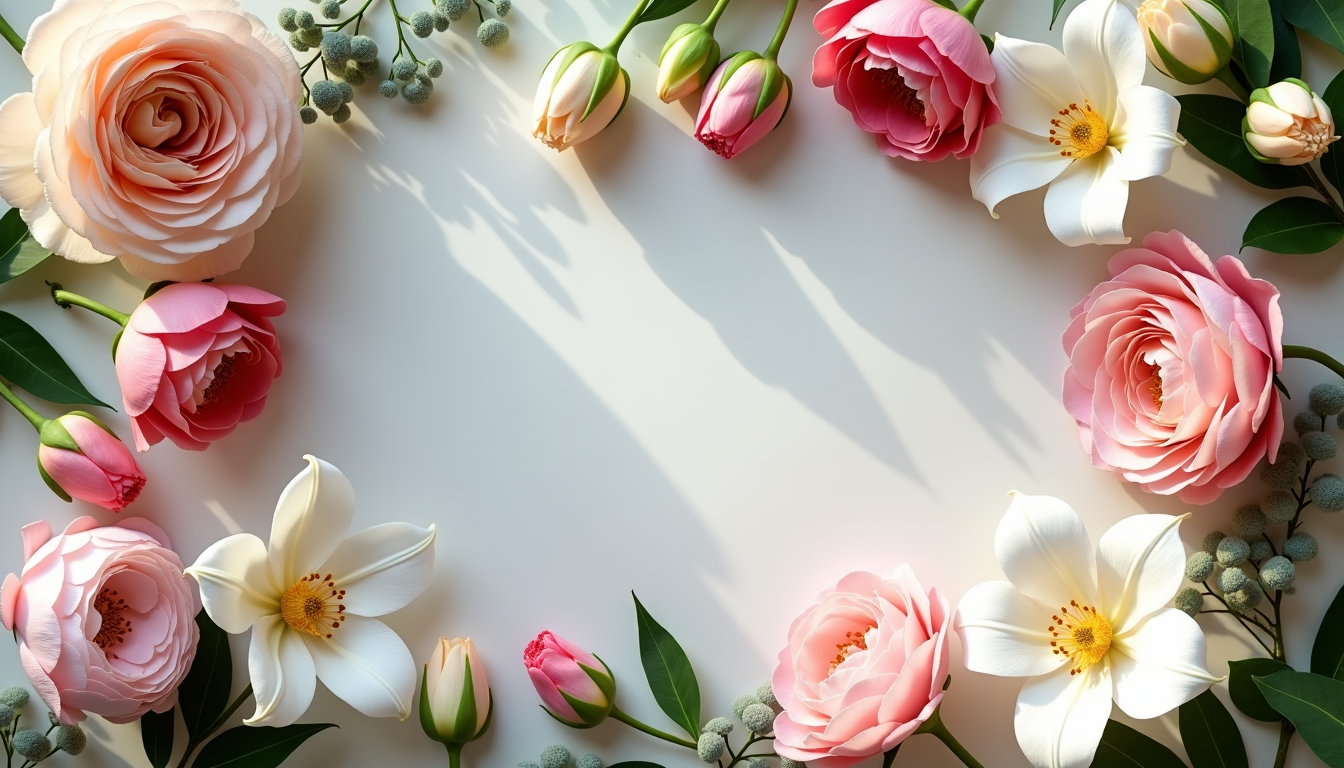
Types of Flowers: A Complete Guide to the World's Most Popular Blooms
There are more than 360,000 known species of flowering plant on earth, yet the types of flowers most of us actually buy, gift and live with fall into a few clear, knowable groups. Once you understand how flowers are organised — by family, by colour, by season and by meaning — choosing the right bloom stops being guesswork and starts being intuitive.
At Upscale & Posh, Dubai’s luxury flower delivery service, we arrange dozens of these varieties every single day. This guide distils what our florists know into one place: the most popular types of flowers, what each one means, when it’s in season, and how to choose between them — whether you’re sending a gift across Dubai or styling your own home. Think of it as a florist’s mental map, the same one we use to turn a vague brief into exactly the right bouquet.
The short answer: The main types of flowers are most usefully grouped four ways — by botanical family (roses, lilies, orchids), by colour (and the meaning each colour carries), by season (spring, summer, autumn, winter), and by lifecycle (annuals, perennials and bulbs). A good florist uses all four at once to decide what goes into an arrangement.
How flowers are classified: the four ways that actually matter
Botanists classify flowers by genus and species, but that taxonomy isn’t how anyone shops for a bouquet. In practice, there are four lenses that help you choose — and a good florist is quietly using all of them at once.
| Way to group | Examples | Why it’s useful |
|---|---|---|
| By family / variety | Rose, lily, orchid, tulip, peony | Determines shape, scent and longevity |
| By colour | White, red, pink, yellow, purple | Carries the emotional message of the gift |
| By season | Spring bulbs, summer blooms, winter stems | Affects availability, price and freshness |
| By lifecycle | Annuals, perennials, bulbs | Matters most if you’re growing, not gifting |
The 12 most popular types of flowers (and what they mean)
If you only ever learn a dozen flowers, make it these. Together they account for the overwhelming majority of bouquets sold worldwide, and each one carries its own meaning and personality.
1. Roses — the universal classic
The rose remains the world’s most popular cut flower, and for good reason: it works for almost every occasion. Meaning shifts dramatically with colour — red for love, white for purity, pink for gratitude, yellow for friendship. With proper care, roses last 7–12 days. Explore the full language of the rose in our guide to rose colours and their meanings, or shop our rose collection.
2. Lilies — elegant and statuesque
Few flowers command a room like the lily. Large, fragrant and sculptural, lilies symbolise purity, renewal and devotion. They’re a staple of both celebration and sympathy. See what each variety signals in our lily meaning guide.
3. Orchids — exotic and long-lasting
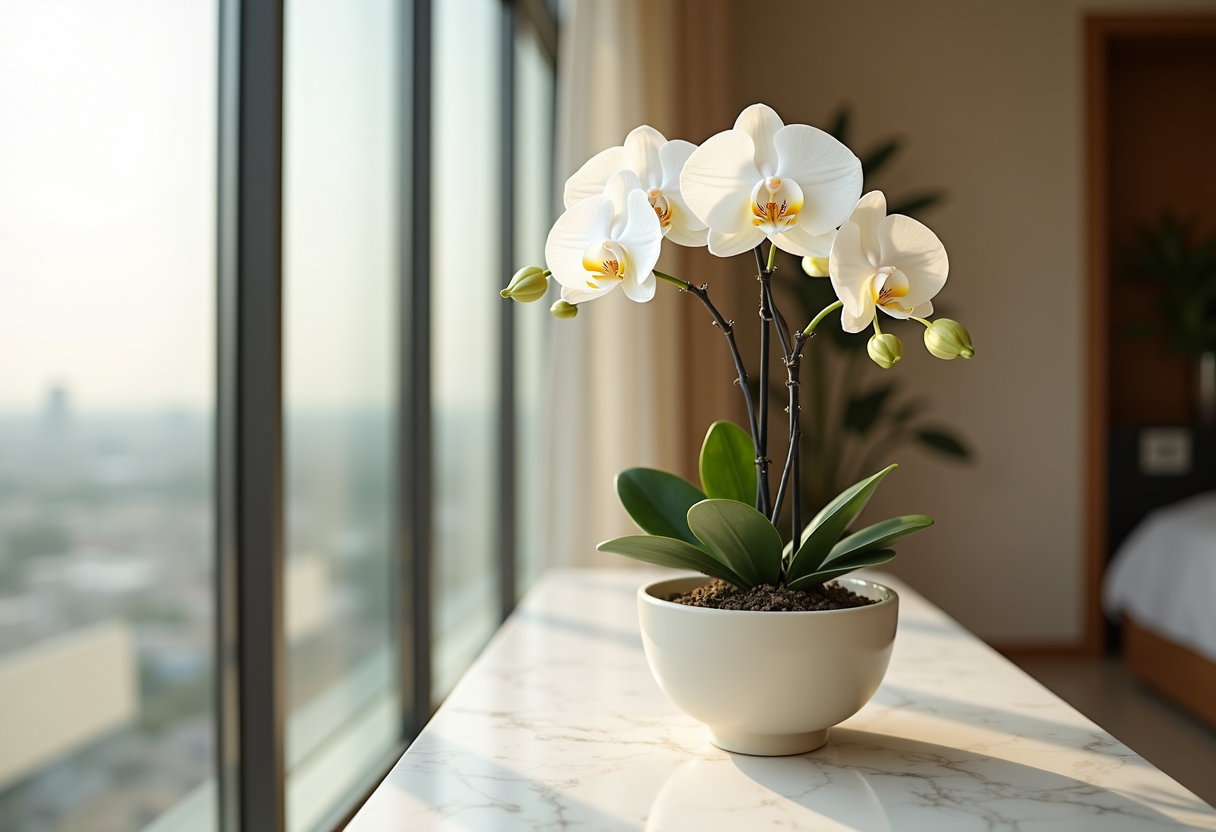
Orchids are the longest-lived of the popular types — a potted phalaenopsis can bloom for two to three months. They represent luxury, strength and refined beauty, which makes them a favourite for corporate and home styling alike. Read our orchid symbolism guide or browse orchids.
4. Tulips — fresh and seasonal
Tulips signal spring, fresh starts and cheerful affection. Their continued growth after cutting gives arrangements a living, graceful movement. They’re seasonal, so availability peaks in the cooler months — our Dubai tulip guide covers timing and care.
5. Peonies — lush and romantic
Prized for their full, ruffled heads and short season, peonies symbolise romance, prosperity and good fortune. Their brief availability is exactly what makes them feel special. Learn more in our peony guide.
6. Sunflowers — warm and joyful
Tall, golden and impossible to ignore, sunflowers stand for adoration, loyalty and optimism. They bring instant warmth to a space and last a generous 6–12 days, which makes a vase of sunflowers one of the most reliable ways to lift a room or a mood.
7. Carnations — underrated and long-lasting
Often overlooked, carnations are among the hardest-working flowers a florist has. They hold for two to three weeks, come in every colour, and carry meanings from admiration (pink) to deep love (red).
8. Hydrangeas — voluminous and soft
A single hydrangea head fills space beautifully. They symbolise gratitude, grace and heartfelt emotion, and their cloud-like form makes them a designer’s favourite for adding volume quickly. One word of warning: hydrangeas drink heavily and wilt fast if they run dry, so keep the vase topped up — especially in Dubai’s heat.
9. Ranunculus — the rose’s delicate cousin
With layer upon layer of tissue-thin petals, ranunculus offer rose-like romance in a lighter, more whimsical form. They signal charm and radiant attraction, and they’re a softer alternative when roses feel too expected.
10. Gerbera daisies — cheerful and bold
Bright, round and friendly, gerberas represent happiness and innocence. They’re the flower equivalent of a smile — perfect for birthdays and pick-me-ups. Their long, sturdy stems also make them surprisingly easy to arrange at home.
11. Chrysanthemums — resilient and meaningful
Chrysanthemums last longer than almost any cut flower — often three weeks or more. They carry rich cultural meaning, from friendship and joy to remembrance, depending on the country. Their longevity and heat tolerance make them quietly one of the best-value flowers you can buy in the UAE.
12. Lisianthus — the refined all-rounder
Frequently mistaken for a rose or a peony, lisianthus brings a quiet sophistication to mixed bouquets. It symbolises appreciation, charisma and lasting bonds, and earns its place in luxury arrangements where it adds softness without stealing the show.
Foliage and filler: the supporting types every arrangement needs
The headline blooms get the attention, but no professional arrangement is complete without two supporting types of greenery. Get these right and even a handful of flowers looks twice as full.
- Foliage — eucalyptus, ruscus and salal give structure, depth and that fresh, just-cut scent. Eucalyptus is the designer’s default in Dubai because it holds beautifully in the heat.
- Filler flowers — baby’s breath (gypsophila), wax flower and limonium soften the gaps and add texture. They each carry meaning too, which our guide to common filler flowers and what they symbolise explains in full.

Types of flowers by colour (and what each colour signals)
Colour is the single most important choice you’ll make, because it carries the message. The same bouquet says something entirely different in white than it does in red. Here’s what each colour communicates.

Types of flowers by season
Every flower has a natural season — the time of year it grows best, looks finest and costs least. Buying in season means fresher, longer-lasting blooms.
- Spring — tulips, ranunculus, daffodils, hyacinths and peonies (late spring). The freshest, most colourful season.
- Summer — sunflowers, roses, hydrangeas, gerberas and lisianthus. Abundant and bold.
- Autumn — chrysanthemums, dahlias and rich-toned roses. Warmer, deeper palettes.
- Winter — amaryllis, orchids, white roses and evergreen foliage. Structured and elegant.
Flowers and the Dubai climate
Dubai’s flowers are almost all imported, kept cool from farm to door, which means most varieties are available year-round here regardless of the global season. The real challenge isn’t the calendar — it’s the heat once flowers leave the box. Hardy types like orchids, chrysanthemums, anthuriums and carnations cope best with our summers. For the full list, read our guide to the best summer flowers for Dubai’s 45°C heat, and our 12 tips for keeping cut flowers fresh in this climate.
Annuals, perennials and bulbs: types of flowering plants explained
If you’re growing rather than gifting, flowers split into three lifecycle types. This is the gardener’s classification — worth knowing even if you only ever buy cut stems.
- Annuals complete their whole life in one year — they bloom hard, then finish. Marigolds, petunias and zinnias are classic annuals.
- Perennials return year after year from the same roots. Peonies, hydrangeas and chrysanthemums are perennials, which is part of why they feel like old friends.
- Bulbs store energy underground and re-emerge each season. Tulips, daffodils, lilies and amaryllis all grow from bulbs.
Not sure which type to choose?
Let our florists build the perfect arrangement for your moment — with same-day delivery across Dubai.
Shop Best SellersHow to choose the right type of flower
With the varieties mapped out, choosing comes down to four quick questions. Run through them in order and the right flower usually picks itself.
- What’s the occasion? Romance leans to roses and peonies; congratulations to orchids and lilies; sympathy to white lilies and chrysanthemums; everyday joy to gerberas and sunflowers.
- Who’s receiving it? Match the colour to the message — pink for affection, yellow for friendship, red for love, white when you’re unsure.
- How long should it last? If longevity matters, choose orchids, chrysanthemums or carnations. If a fleeting, special moment is the point, peonies and tulips are worth it.
- What’s the setting? A grand entrance wants statuesque lilies or orchids; a bedside or desk suits a softer hand-tied posy.
If you’d rather not decide alone, our florist’s arranging guide shows how the professionals combine these types — or simply tell us the occasion and we’ll handle the rest.

Frequently asked questions about types of flowers
What are the main types of flowers?
The main types of flowers are best grouped four ways: by variety (roses, lilies, orchids, tulips, peonies), by colour (white, red, pink, yellow, purple), by season (spring, summer, autumn, winter) and by lifecycle (annuals, perennials and bulbs). The twelve most popular cut flowers are roses, lilies, orchids, tulips, peonies, sunflowers, carnations, hydrangeas, ranunculus, gerberas, chrysanthemums and lisianthus.
What is the most popular type of flower?
The rose is the world’s most popular flower. It suits nearly every occasion, comes in a colour for every message, and lasts 7–12 days with proper care. Lilies and orchids follow closely behind, particularly for gifting and home styling.
What types of flowers last the longest?
Orchids, chrysanthemums and carnations are the longest-lasting types of flowers. A potted orchid can bloom for two to three months, while cut chrysanthemums and carnations often hold for three weeks or more — making them excellent value and ideal for Dubai’s warm climate.
What flowers are available in Dubai all year round?
Because Dubai’s flowers are imported and kept refrigerated from farm to delivery, most popular varieties — roses, orchids, lilies, carnations and chrysanthemums — are available year-round regardless of the global growing season. Strictly seasonal blooms like peonies have shorter windows of availability.
How many types of flowers are there?
There are more than 360,000 known species of flowering plant worldwide, but only a few dozen are commonly grown as cut flowers and sold by florists. This guide covers the varieties you’re most likely to buy, gift or grow.
What type of flower is best for a gift?
Roses are the safest gifting choice for almost any occasion, with the colour tailored to your message. For something longer-lasting, choose an orchid; for celebration, lilies; and for everyday cheer, a bright mixed bouquet of gerberas and sunflowers.
Every type of flower, expertly arranged
From a single signature stem to a statement arrangement, Upscale & Posh delivers Dubai’s finest blooms — same day, beautifully presented.
Explore All Bouquets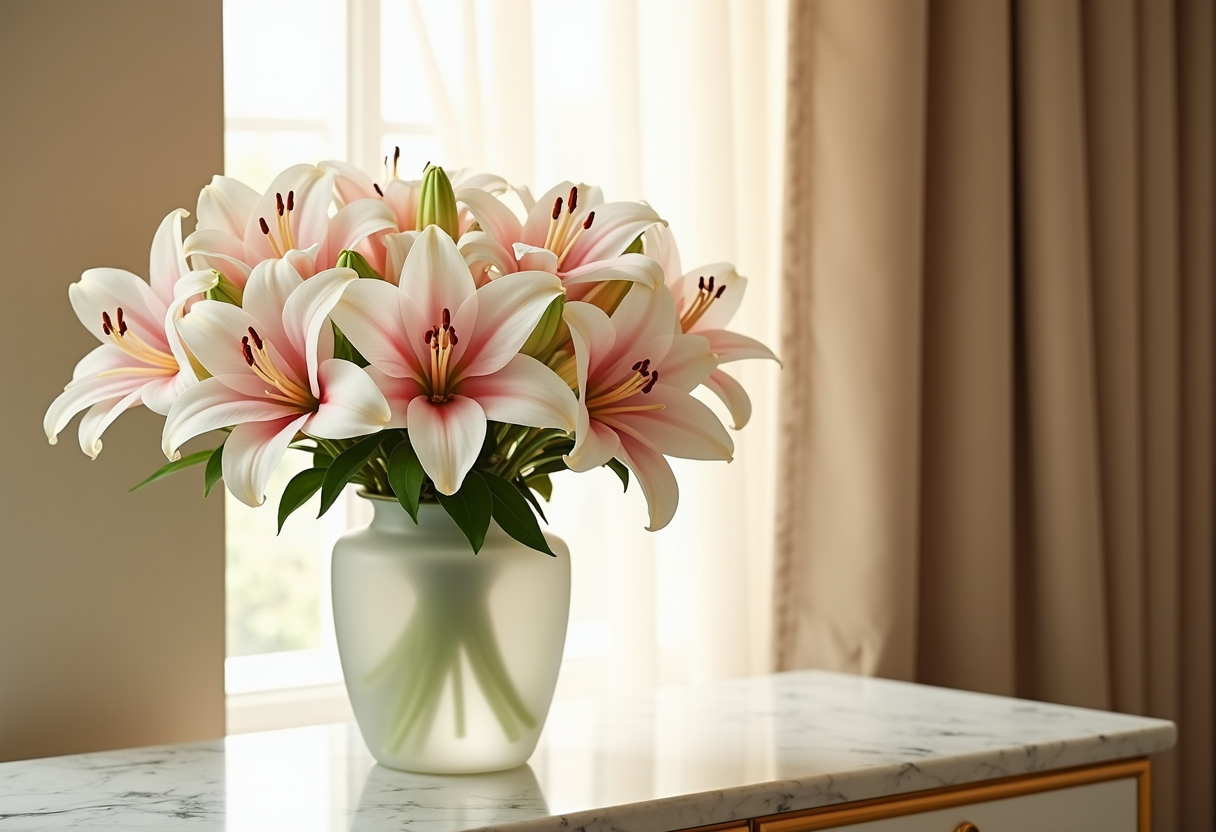

Leave a comment
This site is protected by hCaptcha and the hCaptcha Privacy Policy and Terms of Service apply.